10 Most Dangerous Countries in the World—According to Data, Not Drama
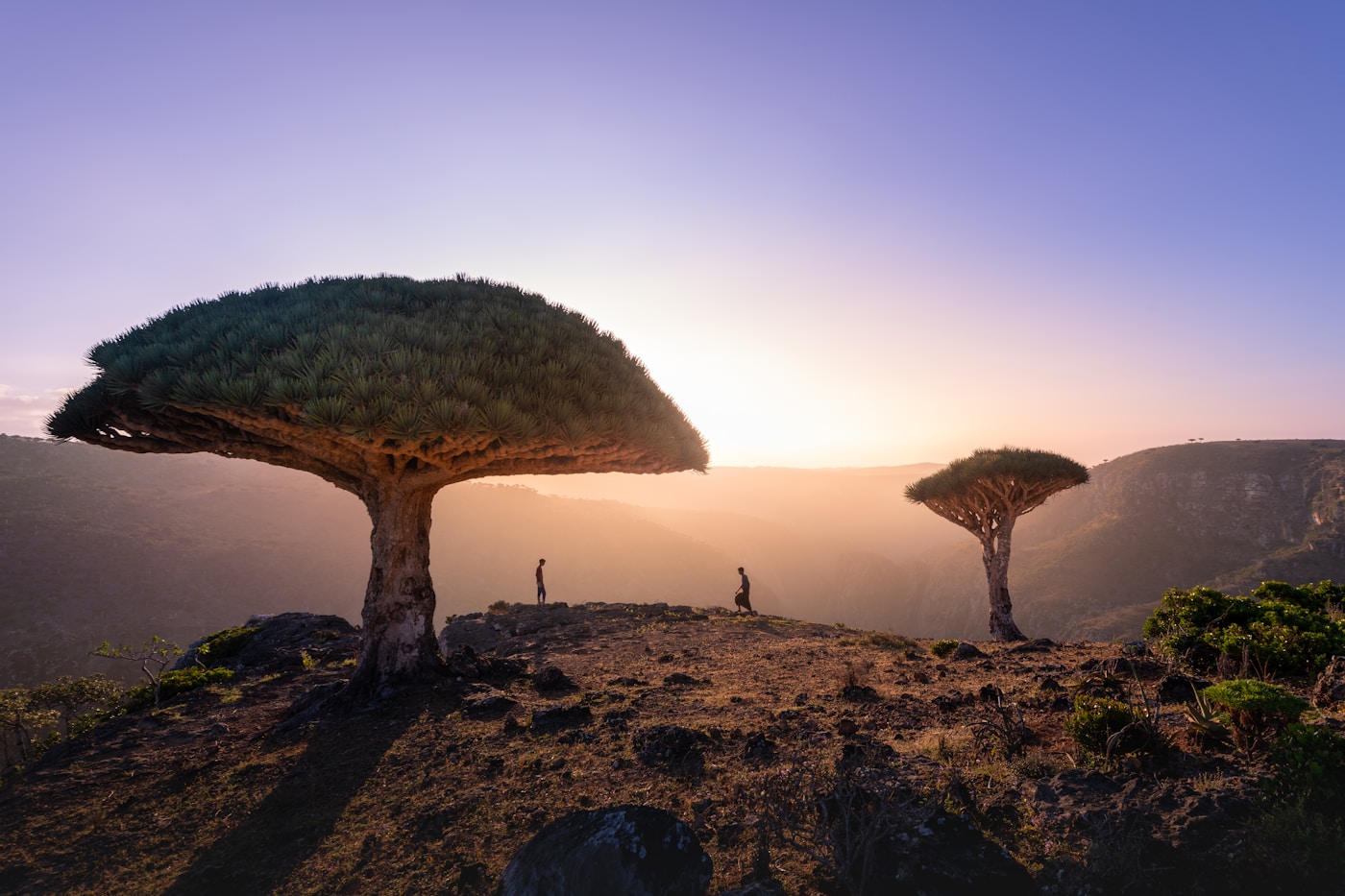
Feature Photo by Andrew Svk on Unsplash
The word “dangerous” gets thrown around a lot—but when it comes to the 2024 Global Peace Index, it’s not about fear-mongering or sensational headlines. It’s about cold, hard data. The GPI ranks 163 countries based on factors like violent conflict, political instability, crime, terrorism, and militarization. And while Americans often assume we live in one of the safest countries, the U.S. comes in at a shaky #131—far from peaceful.
Below are the ten lowest-ranked countries in the world for peace, based on the most recent GPI report. This doesn’t mean every part of these countries is unsafe or that they lack beauty, culture, or resilient communities. But from a national perspective, here’s why these places are currently struggling with peace.
1. Mali (Rank #154 – GPI Score: 3.095)
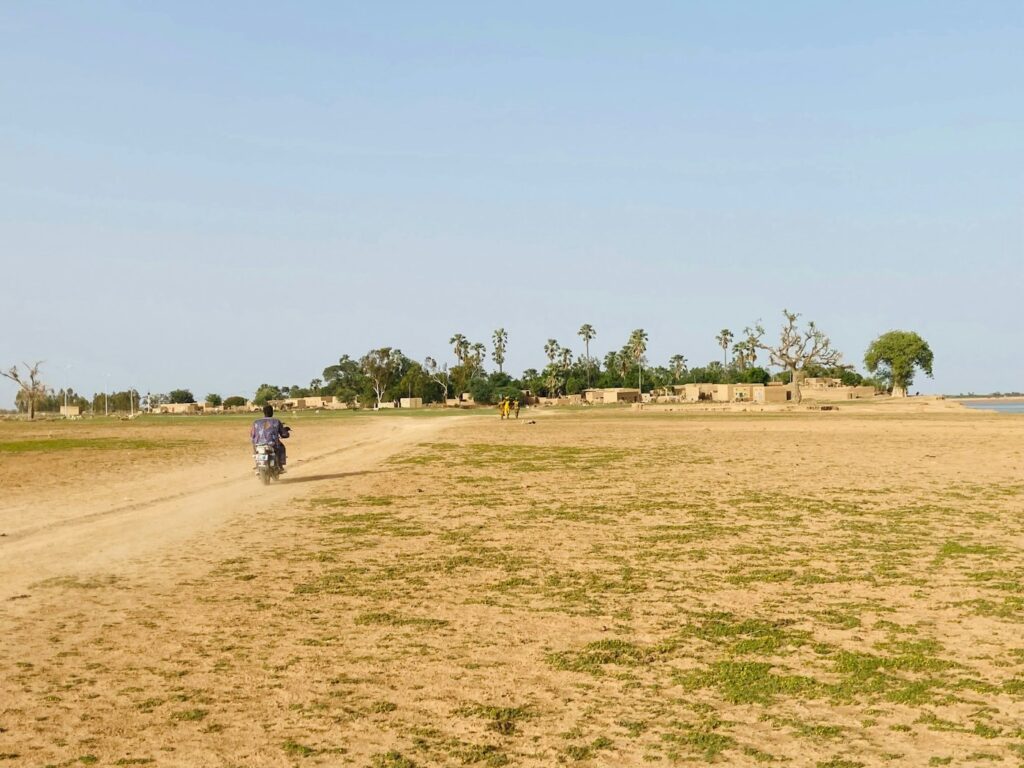
Mali’s decline on the GPI has been sharp and steady. Ongoing conflict between government forces, Islamist militants, and ethnic militias has destabilized large regions of the country. The 2021 military coup added another layer of political volatility, and foreign aid cuts have made recovery even harder.
Terrorist attacks, especially in northern Mali, remain frequent, and the country is under pressure from both domestic insurgents and cross-border conflict spilling over from neighboring nations.
For context, Mali is over 1,000 places below the U.S. in peacefulness. The country’s struggles reflect the broader instability across the Sahel region of Africa.
2. Israel (Rank #155 – GPI Score: 3.115)
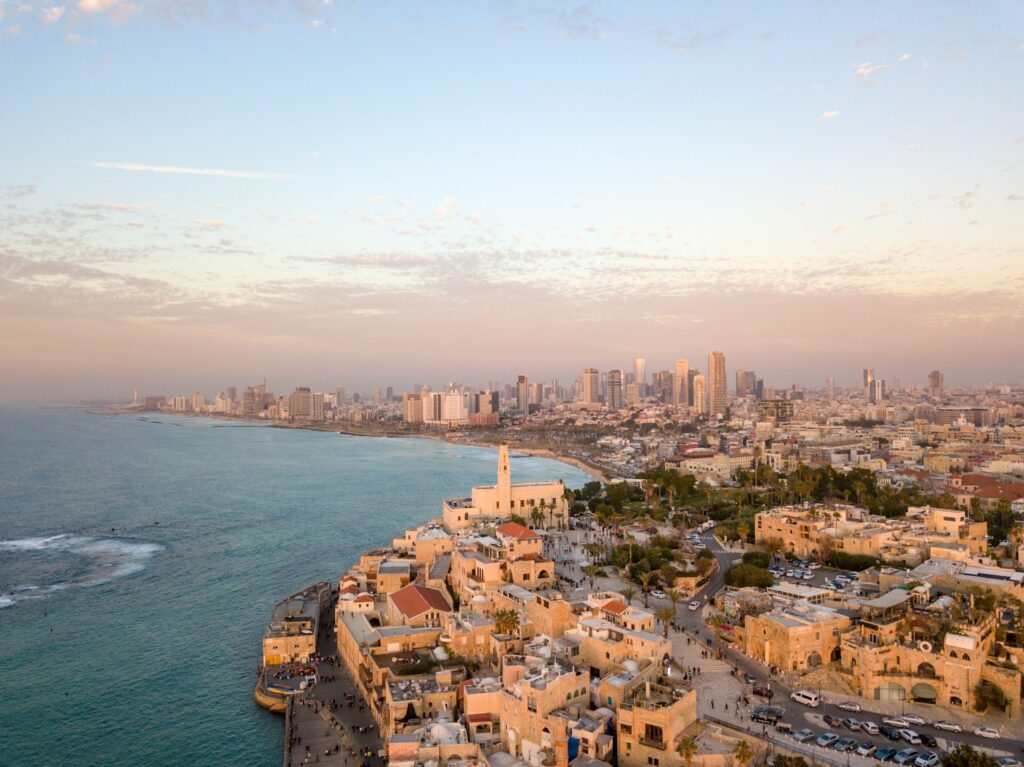
Israel dropped 11 spots this year, one of the steepest declines in the entire index. The ongoing war with Hamas in Gaza, surging internal protests, and high levels of militarization have driven the country into the bottom ten for the first time.
The GPI measures not just conflict zones but national responses—and with Israel’s defense spending and mobilization at extreme levels, its peace score has taken a massive hit.
While much of the country remains livable for locals and visitors, the political and military situation has grown more volatile, making it one of the most unstable high-income nations in 2024.
3. Syria (Rank #156 – GPI Score: 3.173)
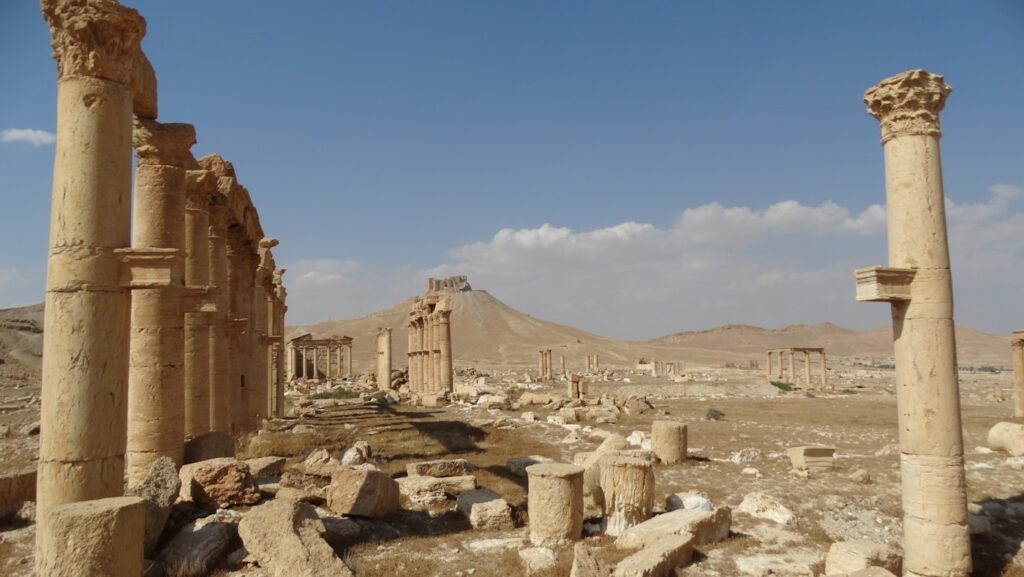
More than a decade into its civil war, Syria remains one of the most dangerous places on Earth. Though active combat has lessened in some areas, large swaths of the country remain under the control of various factions—including the Assad regime, Kurdish forces, and Islamist militants.
The humanitarian situation is dire, and infrastructure has been decimated. Over 13 million Syrians have been displaced. While the conflict receives less media attention today, it remains a major reason Syria ranks near the bottom of every peace and stability index.
4. Russia (Rank #157 – GPI Score: 3.249)
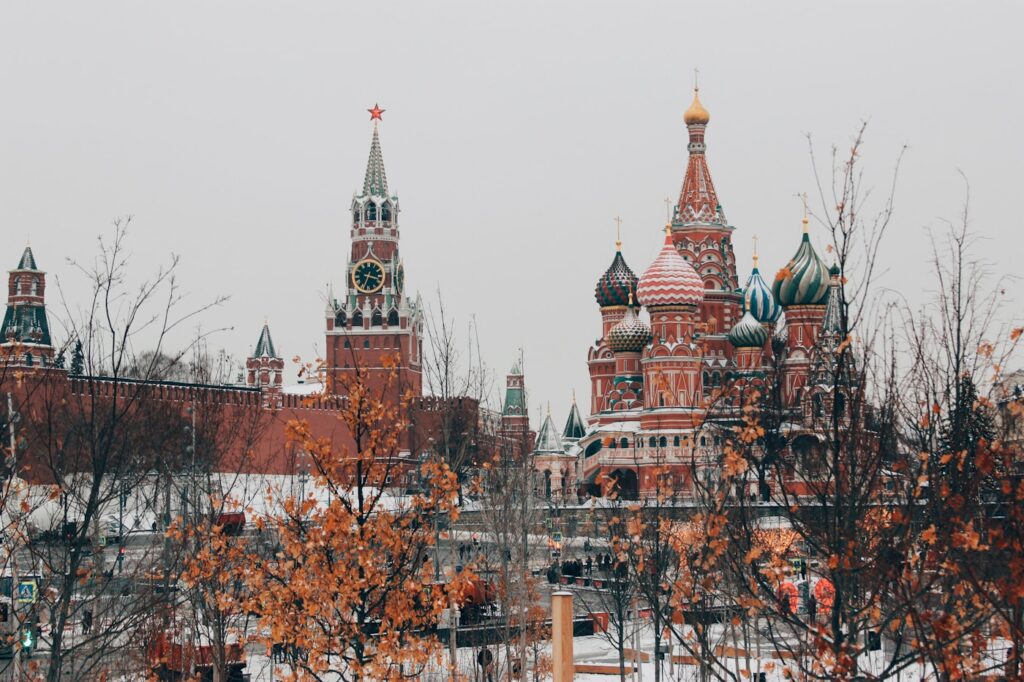
Russia’s ongoing war in Ukraine, combined with domestic authoritarianism and high levels of militarization, continues to tank its peace score. The country has one of the world’s highest military expenditures and remains involved in multiple regional power struggles.
Internally, dissent is suppressed, media is controlled, and political opposition is often met with violence or imprisonment. Russia’s downward GPI trend has persisted for several years now—and shows no signs of reversing anytime soon.
5. Democratic Republic of the Congo (Rank #158 – GPI Score: 3.264)
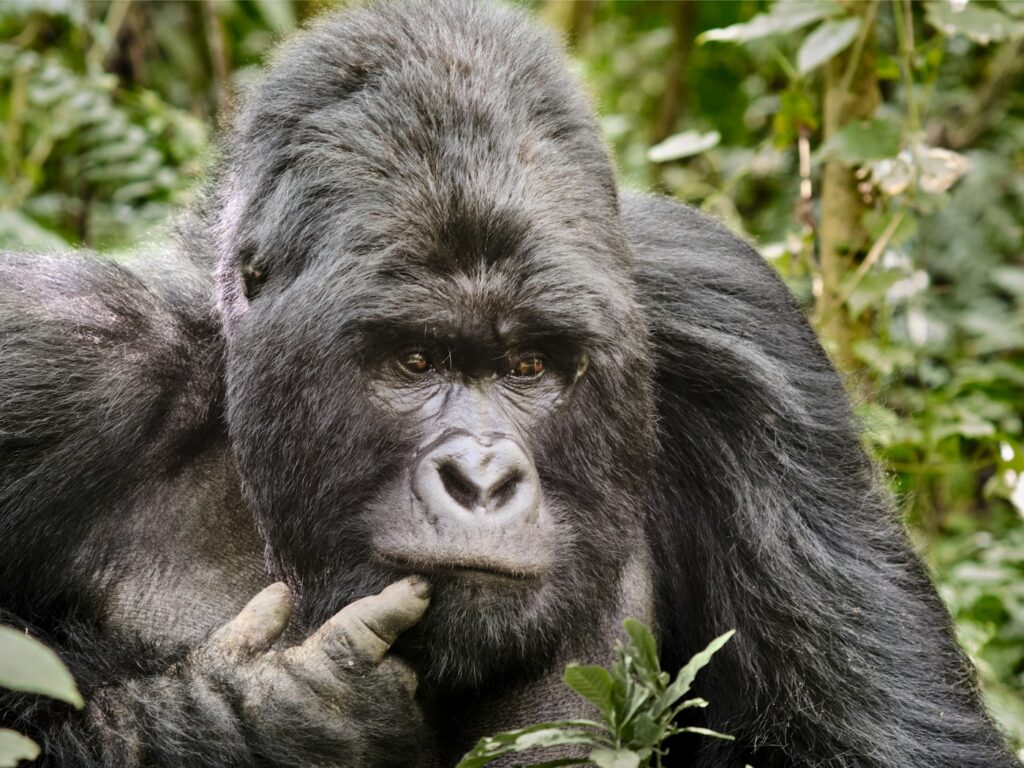
Despite its natural resources and massive size, the DRC is plagued by deep-rooted conflict. Armed rebel groups operate in multiple provinces, and ethnic violence continues to displace thousands every year.
Corruption, weak government institutions, and illegal mining operations all contribute to instability. Sexual violence has been used as a weapon of war, and the civilian population often pays the highest price.
While the DRC is rich in biodiversity and culture, the current peace index reflects a country still battling decades of unrest and lawlessness.
6. Ukraine (Rank #159 – GPI Score: 3.280)
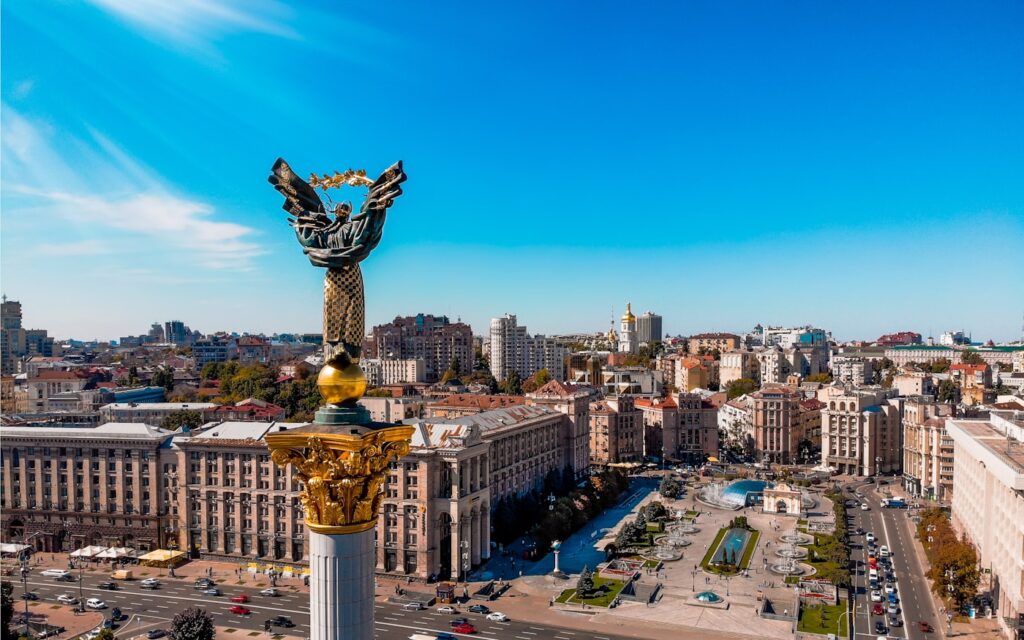
Ukraine’s position near the bottom of the list is a direct result of the ongoing full-scale war following Russia’s 2022 invasion. Civilian casualties, displacement, infrastructure destruction, and military escalation all contribute to its low GPI ranking.
Still, it’s worth noting that Ukraine’s people have shown enormous resilience. Cities like Lviv remain relatively functional, and global support for Ukraine’s sovereignty is strong.
But until the war ends, the country will remain one of the least peaceful in the world—even if that ranking reflects external aggression more than internal failure.
7. Afghanistan (Rank #160 – GPI Score: 3.294)
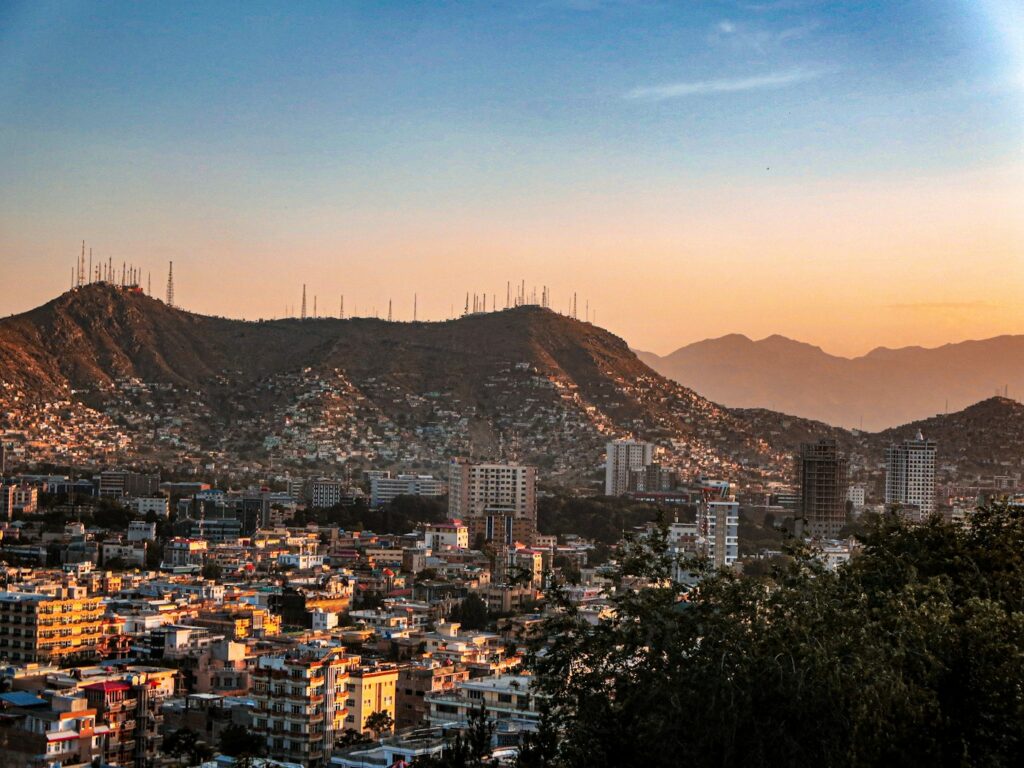
Since the Taliban regained full control in 2021, Afghanistan’s global standing has continued to deteriorate. The rights of women and minorities have been rolled back, dissent is crushed, and humanitarian aid is tightly restricted.
While the Taliban has claimed to have brought “stability,” the country remains volatile under the surface. Terrorist groups like ISIS-K still operate within its borders, and economic collapse has left millions in poverty.
Afghanistan’s challenges are massive, and though large-scale war has paused, peace remains a distant goal.
8. South Sudan (Rank #161 – GPI Score: 3.324)
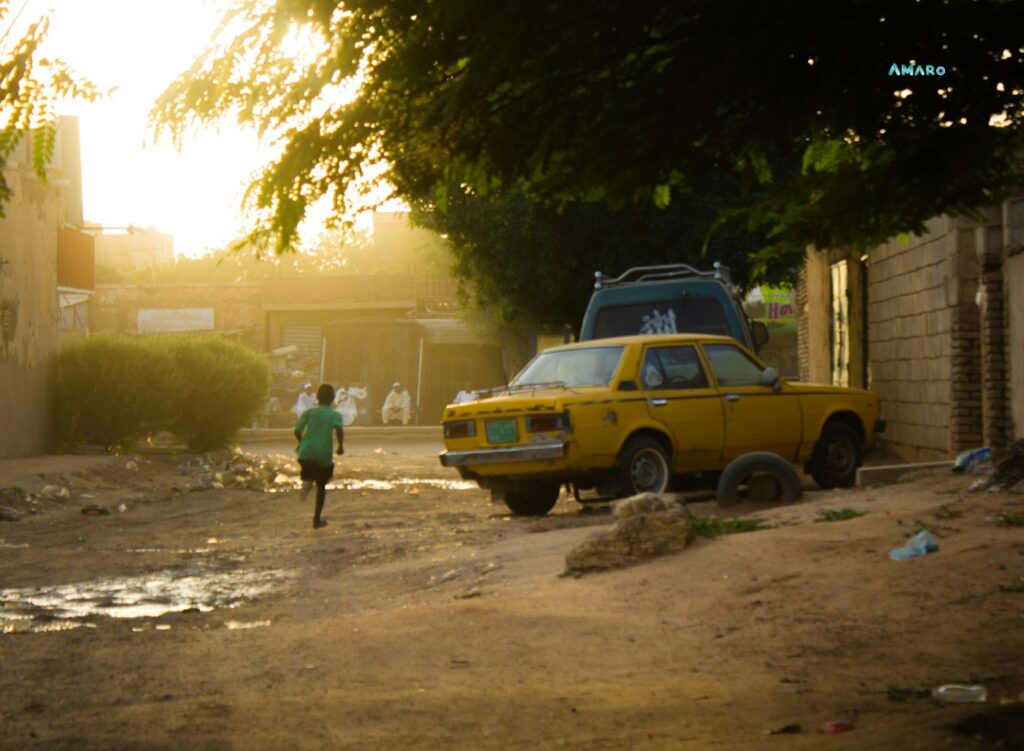
South Sudan gained independence in 2011—but its road to peace has been anything but smooth. A civil war broke out just two years later, and although a shaky peace agreement is in place, violence still erupts along ethnic and political lines.
Infrastructure is severely lacking, and humanitarian conditions remain among the worst in the world. The country’s disarmament efforts and political negotiations have stalled, leaving its population vulnerable.
South Sudan’s GPI score reflects the deep scars of war—and how hard it is to build peace from the ground up.
9. Sudan (Rank #162 – GPI Score: 3.327)
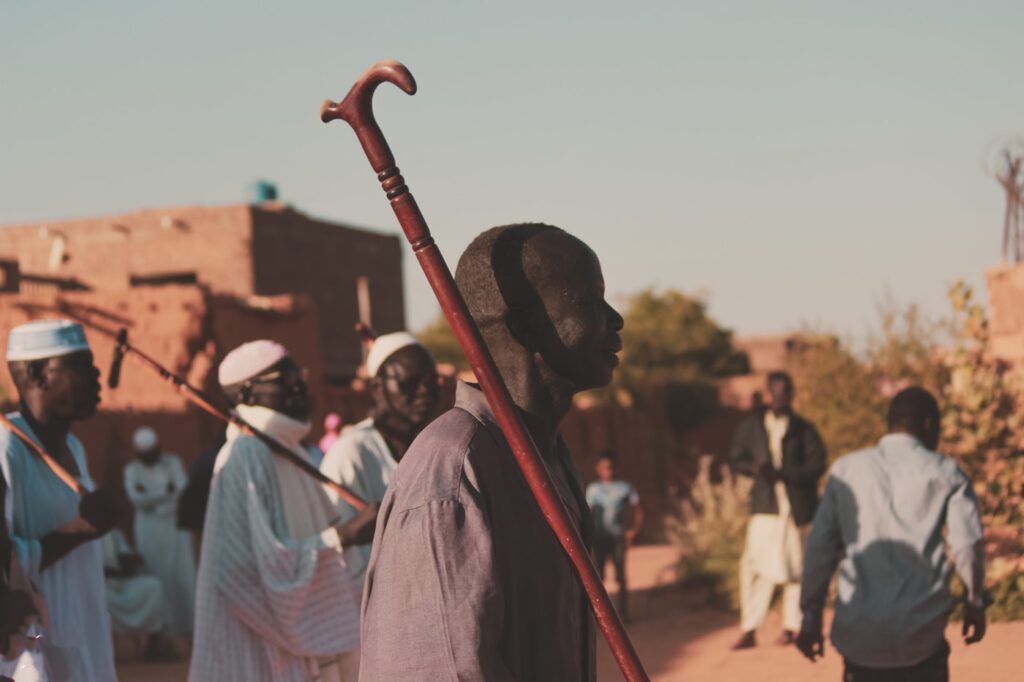
Sudan dropped five places in 2024, mainly due to the brutal civil conflict between rival military factions. The fighting in Khartoum and Darfur has displaced millions, caused widespread famine, and collapsed any semblance of public order.
Civilians are caught in the crossfire, and peace talks have repeatedly failed. Despite international efforts, Sudan’s situation has rapidly worsened—making it one of the most dangerous countries on Earth right now.
The conflict’s sudden escalation shocked many, but for Sudanese citizens, instability has been a long-standing reality.
10. Yemen (Rank #163 – GPI Score: 3.397)
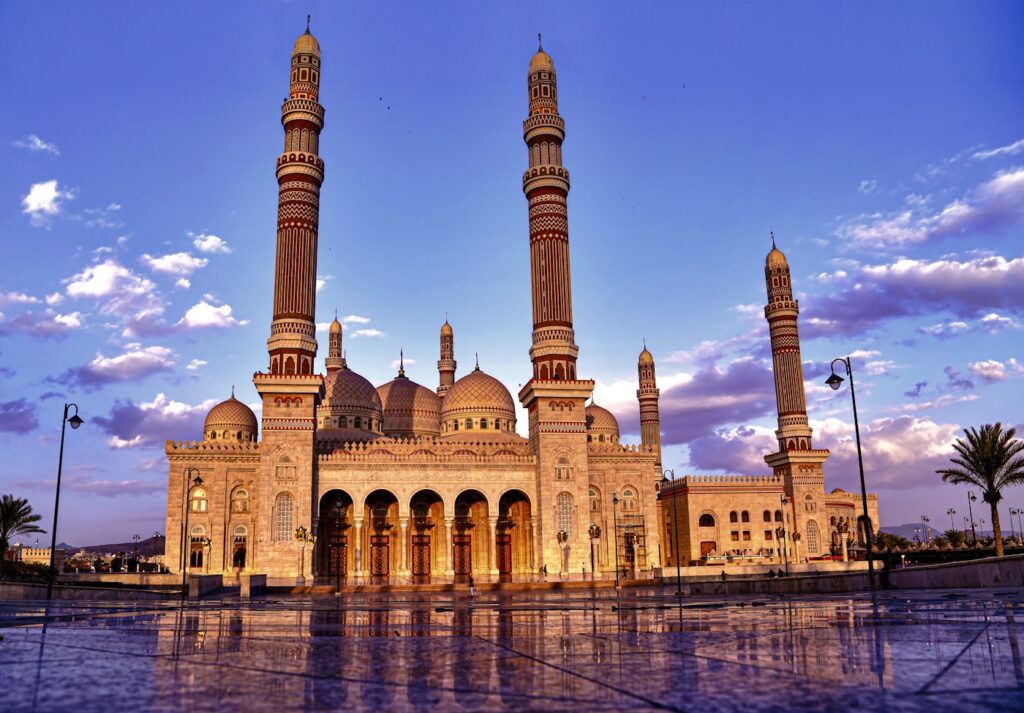
Yemen holds the bottom spot in the 2024 Global Peace Index, making it officially the least peaceful country in the world right now. The conflict between Houthi rebels and the internationally recognized government—backed by a Saudi-led coalition—has led to one of the worst humanitarian crises in modern history.
Airstrikes, famine, and infrastructure collapse have devastated the country. Over 20 million Yemenis need humanitarian assistance.
Despite some recent diplomatic movement, long-term peace remains out of reach. Yemen’s ranking reflects not just violence, but the sheer scale of suffering endured by its population.