The U.S. Isn’t as Peaceful as You Think—Where the U.S. Really Ranks
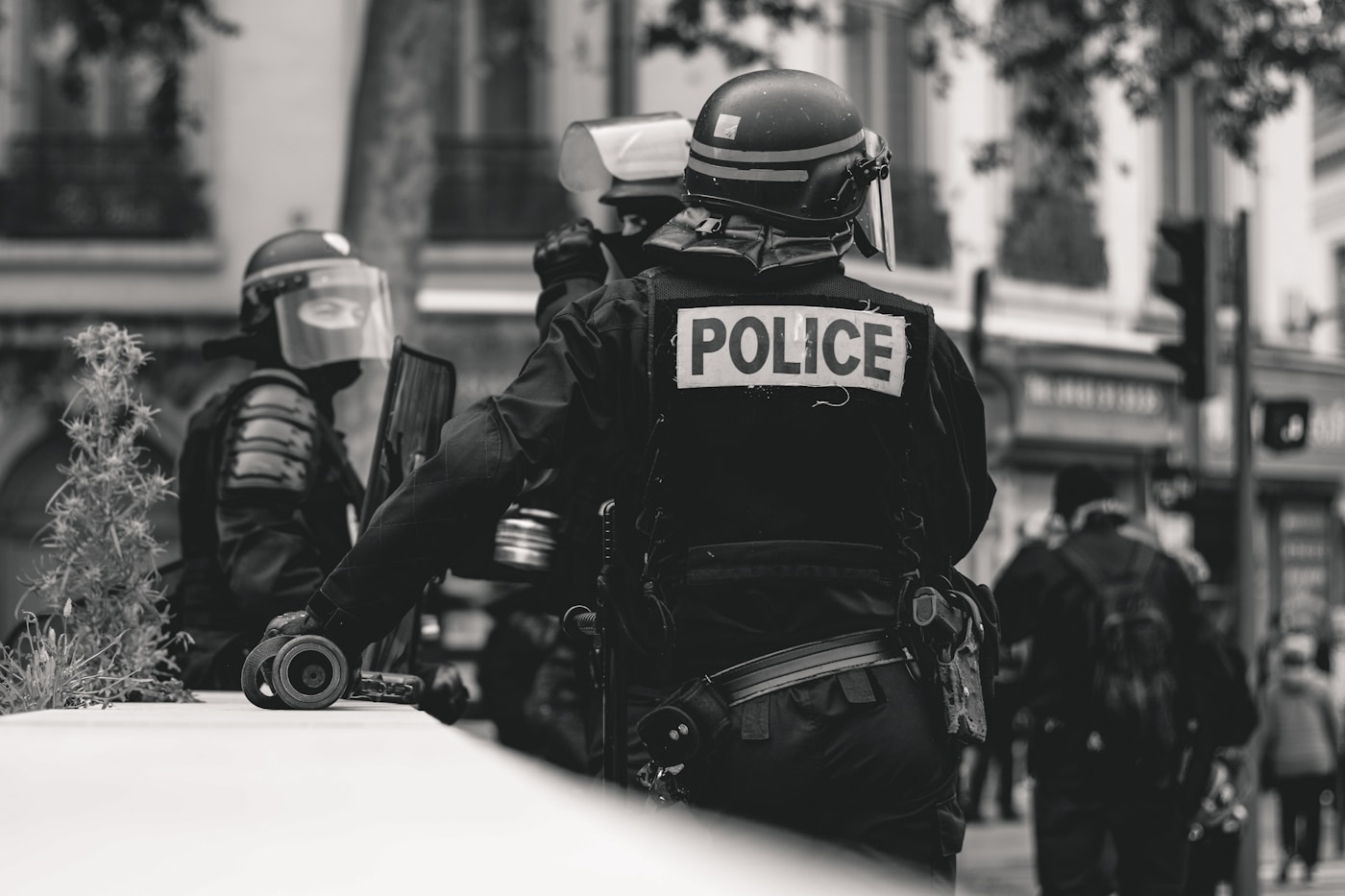
Feature Photo by ev on Unsplash
The Global Peace Index (GPI) ranks 163 countries based on how peaceful they are—looking at things like violent crime, political stability, incarceration rates, and military involvement.
It’s published annually by the Institute for Economics & Peace, a non-partisan think tank. They divide peace into three categories: societal safety and security, ongoing domestic and international conflict, and militarization.
It’s not just about war zones or whether your country is being invaded. It also looks at everyday issues—how safe people feel, how many people are locked up, and how much a country spends on its military.
So yeah, it’s a pretty big deal. And the U.S.? Well… we’re not winning any peace prizes here.
Where the U.S. Ranks in 2024 (Brace Yourself)
According to the 2024 GPI, the United States ranks 131st out of 163 countries. That’s a drop from past years—and not in a good way.
The U.S. sits below countries like Argentina, Kazakhstan, and even Haiti.
Here’s the kicker: we rank particularly low in societal safety and security, mostly due to high homicide rates, gun violence, and mass incarceration. Our militarization score is also rough thanks to sky-high military spending and arms exports.
By contrast, the most peaceful countries in the world? Think Iceland (#1), Denmark, Ireland, New Zealand, and Austria. Not exactly shocking—but they consistently prioritize social services, conflict resolution, and citizen well-being.
👉 See the full Global Peace Index rankings here
Why the U.S. Scores Low on Peace
So what’s dragging us down? A few things:
- Gun violence: The U.S. leads developed nations in firearm-related deaths.
- Mass incarceration: We have the highest prison population in the world—both in raw numbers and per capita.
- Political division: Domestic unrest, extremist violence, and political polarization all contribute.
- Military spending: The U.S. spends more on its military than the next 10 countries combined.
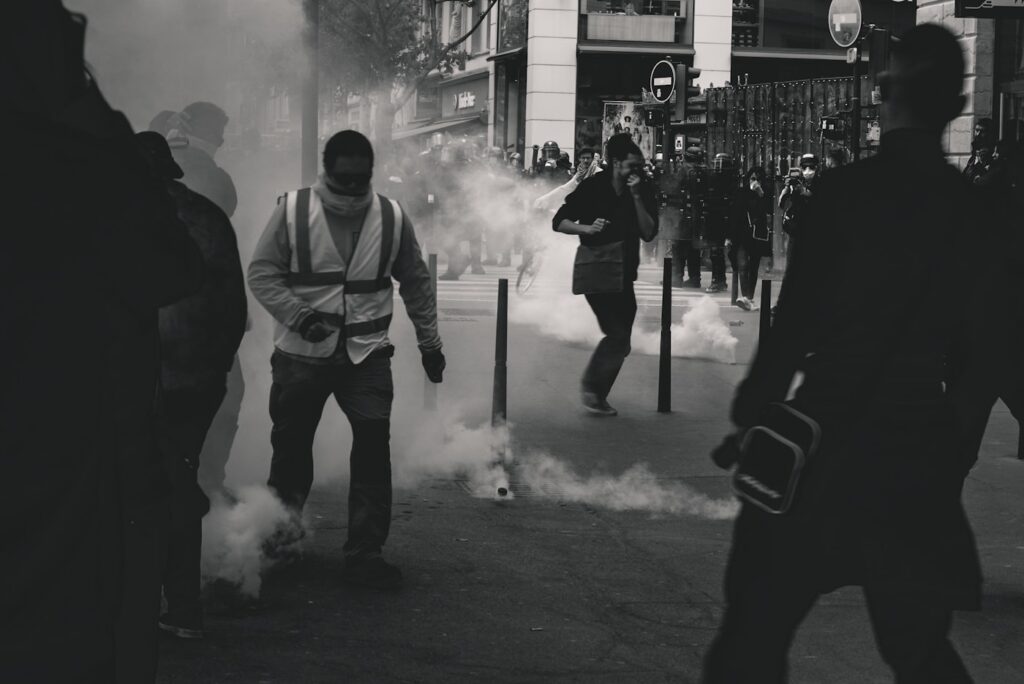
- Police funding vs. public services: Billions go to law enforcement, while healthcare and education often take a backseat.
It’s not that Americans live in an active warzone—but by global peace standards, we have a long way to go.
Wait… Aren’t We the “Land of the Free” and Safe?
Many Americans feel safe. They trust their neighborhoods, drive to work, and go about their lives without fear of armed conflict. But feeling safe and actually ranking high on peace metrics aren’t the same thing.
The U.S. has a strong “we’re #1” mindset, so it’s jarring to realize other countries might be doing better in key areas like safety, community trust, and social stability.
And this isn’t just a left-or-right issue. The data is non-partisan. Our perception of peace is influenced by media, patriotism, and the fact that many people haven’t lived anywhere else to compare. But globally? The U.S. doesn’t rank great—and hasn’t for years.
Countries That Rank Higher Than the U.S. (And Might Surprise You)
Here’s a wild one: Rwanda, Cambodia, Laos, and Ghana all rank higher than the U.S. in peace.
Yep—countries many Americans think of as “unstable” or “unsafe” are often more peaceful based on actual data. That’s because GPI focuses on violence rates, incarceration, and militarization, not outdated stereotypes.
Even Chile, Uruguay, and Costa Rica blow past the U.S. in rankings. Many of these countries have strict gun laws, fewer prisoners, and a stronger emphasis on healthcare and education.
Just goes to show—don’t judge a country’s safety by what you’ve heard in passing. The numbers paint a very different picture.

What Peace Actually Looks Like (And Why It’s Not What You Think)
Peace isn’t just the absence of war. According to the GPI, peaceful countries share certain features:
- Low rates of homicide and violent crime
- Minimal conflict with neighbors or internal unrest
- Fewer people in prison
- Less militarization and more spending on public goods
- Strong community trust and low corruption
In places like Portugal or Slovenia, for example, peace is baked into the systems: universal healthcare, walkable cities, lower stress levels, and a high sense of social support.
Meanwhile, countries that rely on militarized policing and punitive justice systems often rank much lower—no matter how rich or developed they are.
Can You Feel Safe in an “Unsafe” Country? It’s Complicated
This is where things get nuanced. The GPI looks at macro-level peace—but your day-to-day experience in a country can vary wildly.
You might feel totally safe walking alone in Vietnam, even if its political system doesn’t rank high in “freedom.” Conversely, you might live in a nice U.S. suburb but still worry about school shootings or police violence.
It’s about more than statistics. It’s culture, community, and personal experience. That said, many Americans are shocked to find they feel safer while traveling abroad than they do at home. The GPI helps explain why.
So… Should Americans Be Worried (or Inspired to Rethink Things)?
This isn’t about doom and gloom. It’s about perspective. The U.S. ranking isn’t hopeless—it’s a wake-up call.
Other countries have figured out ways to create more peaceful, stable societies. And no, that doesn’t mean they’re perfect. But many have lower crime, better healthcare, less poverty, and stronger social trust.
For travelers, this might inspire confidence in visiting new places. For Americans, it’s a reminder that we can demand better. More peace isn’t just possible—it’s proven.