

Work-Life Balance in the U.S. Is a Lie—Here’s Where People Actually Have It
Feature Photo by Jezael Melgoza on Unsplash
In America, work-life balance is pitched as a perk—like a beanbag chair in the office or an “unlimited PTO” policy you’ll be guilted out of using. But elsewhere in the world? It’s the default. People leave work at work. They take real vacations. They have lives that don’t revolve around Slack notifications and burnout cycles.
Turns out, Americans aren’t lazy—we’re exhausted from a system that was never designed to support balance in the first place.
Sweden: The Land of the 6-Hour Workday (That Actually Works)
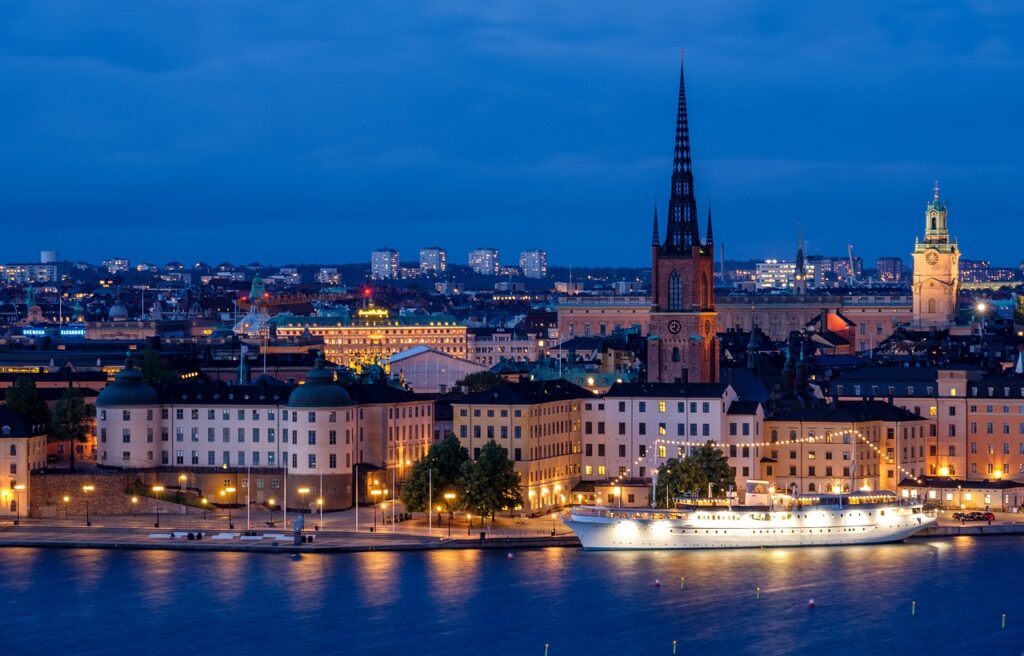
Sweden has tested six-hour workdays and found employees to be more productive, less stressed, and healthier. Add in generous parental leave (up to 480 days per child, split between partners), and you start to wonder: why are we grinding so hard when it doesn’t even make us better workers?
Portugal: Where No One Can Legally Email You After Hours

Portugal made headlines in 2021 for passing a law that bans employers from contacting workers outside work hours. If your boss pings you at 9 PM? That’s a labor violation. Combine that with a slower pace of life, walkable cities, and café culture that actually allows lingering—and you’ve got a recipe for real balance.
France: Where You Don’t Talk About Work at Dinner

France legally protects the “right to disconnect,” which means you’re not expected—or allowed—to work after hours unless you’re compensated. Vacation is sacred, mealtime is social, and the culture doesn’t fetishize overwork.
You’re more likely to get side-eyed for answering an email at a café than for taking the whole month of August off.
Costa Rica: Less Work, More Vida

Costa Rica doesn’t top work-life balance charts because of policies—it ranks high because of lifestyle. A culture rooted in nature, family, and community helps people live longer, healthier lives. It’s one of the world’s five “Blue Zones,” where people routinely live past 90.
Work matters—but it doesn’t run the show. And the life expectancy proves it.
Japan: The Outlier That’s Starting to Pivot

Japan is infamous for overwork—“karoshi” literally means death from working too much. But in recent years, government campaigns have pushed for change, from encouraging paid leave to promoting 4-day workweeks. While the shift is slow, it shows even the most work-centric cultures are realizing hustle isn’t sustainable.
Final Thought
In the U.S., work-life balance is still treated like a unicorn: mythical, magical, and probably not real. But it is real—just maybe not here. And that’s why more people are looking elsewhere for it.
Not because they want to escape working—but because they finally want to stop surviving and start living.